
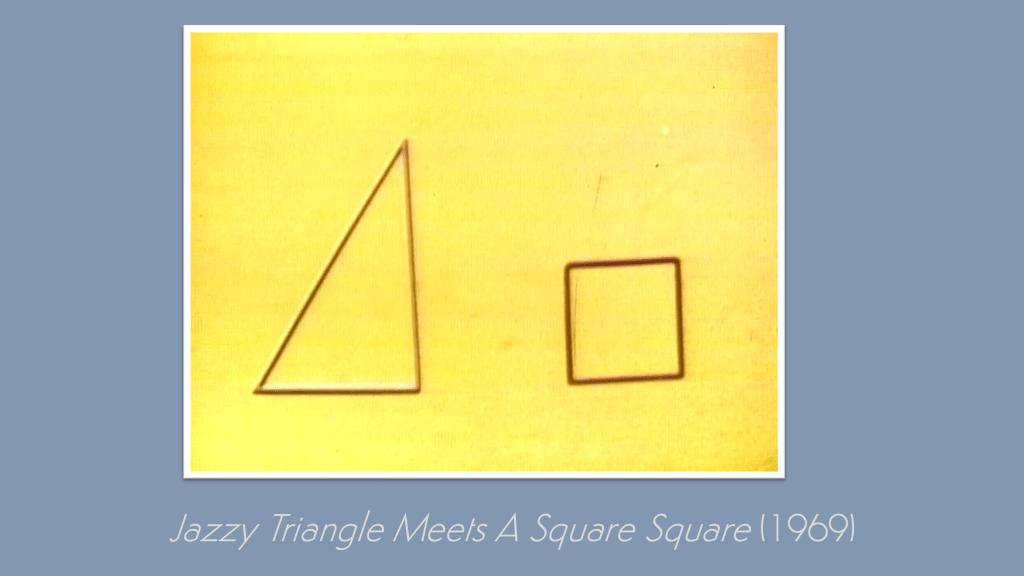
In our last Kick-About, Alberto Giacometti gave us figures reduced to their essentials — spare forms standing in space. This time, we move from sculpture to animation, and from the human figure to simple geometry. Our prompt is Jazzy Triangle Meets a Square Square, a short film that demonstrates just how much character, humour, and movement can be conjured from the simplest of shapes. As always, the works that follow were made in a short time — and for all previous editions of The Kick-About, go here.
Graeme Daly
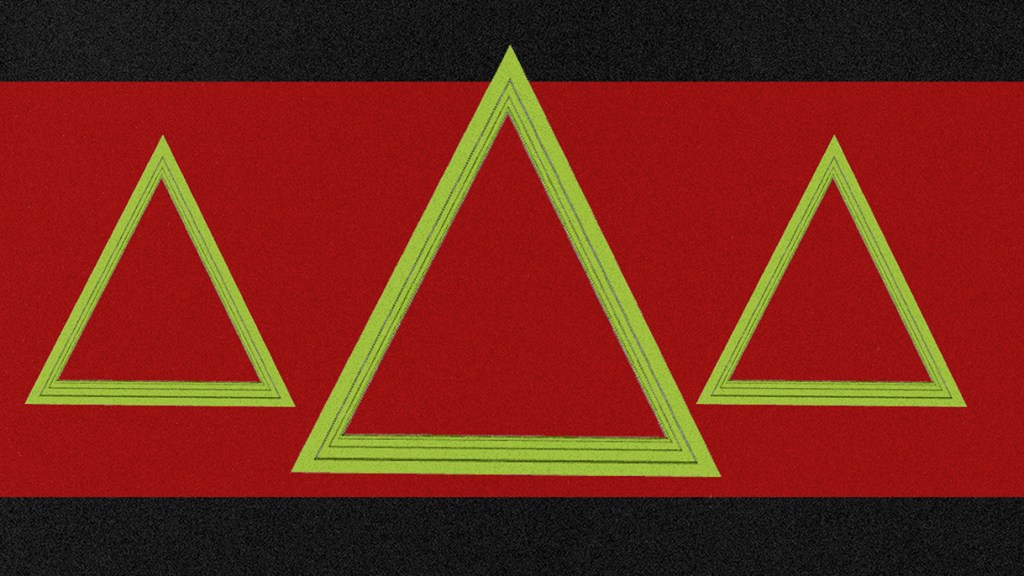
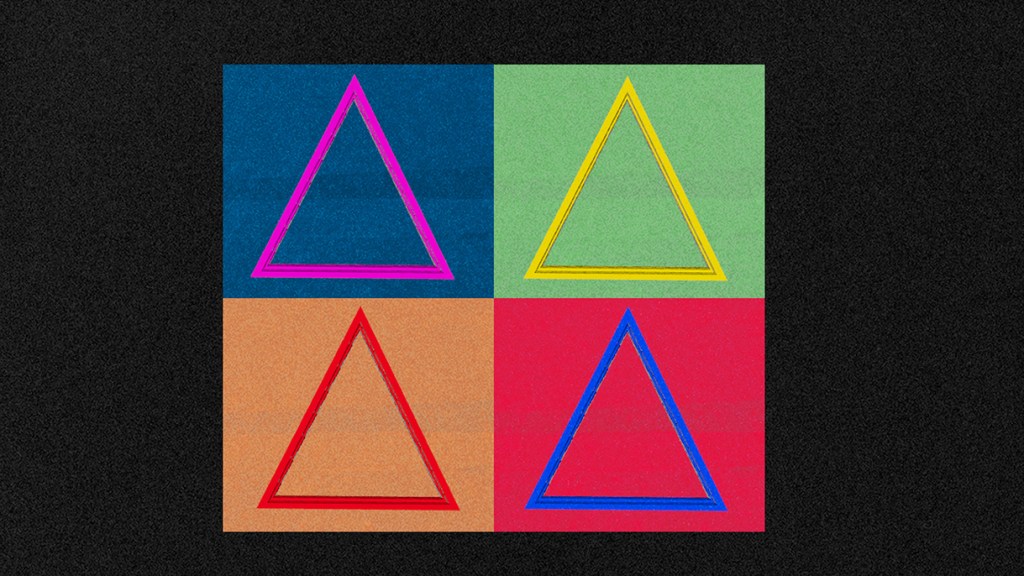
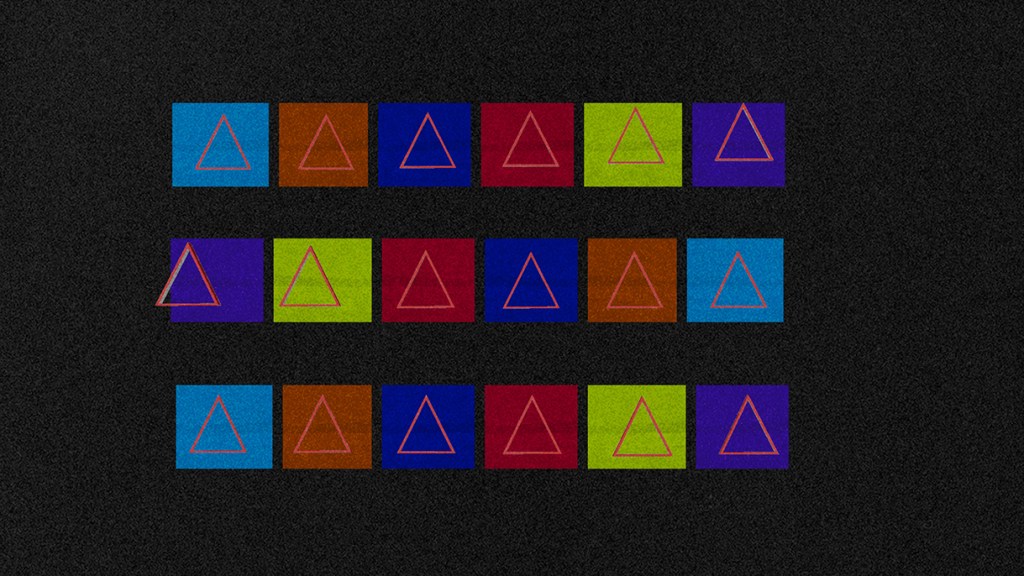
“A quick little video from me this week, created by modelling a triangle in Maya and attaching the music — Boogie Woogie by Pinetop — to a MASH network, which is just a fancy way of saying that the music made the triangle dance to the beat! Albeit not with nearly as much character as Jazzy Triangle, but it’s something.”
@graemedalyart / vimeo.com/graemedaly / linkedin.com/in/graeme-daly / twitter.com/Graeme_Daly / gentlegiant.ie
James Randall
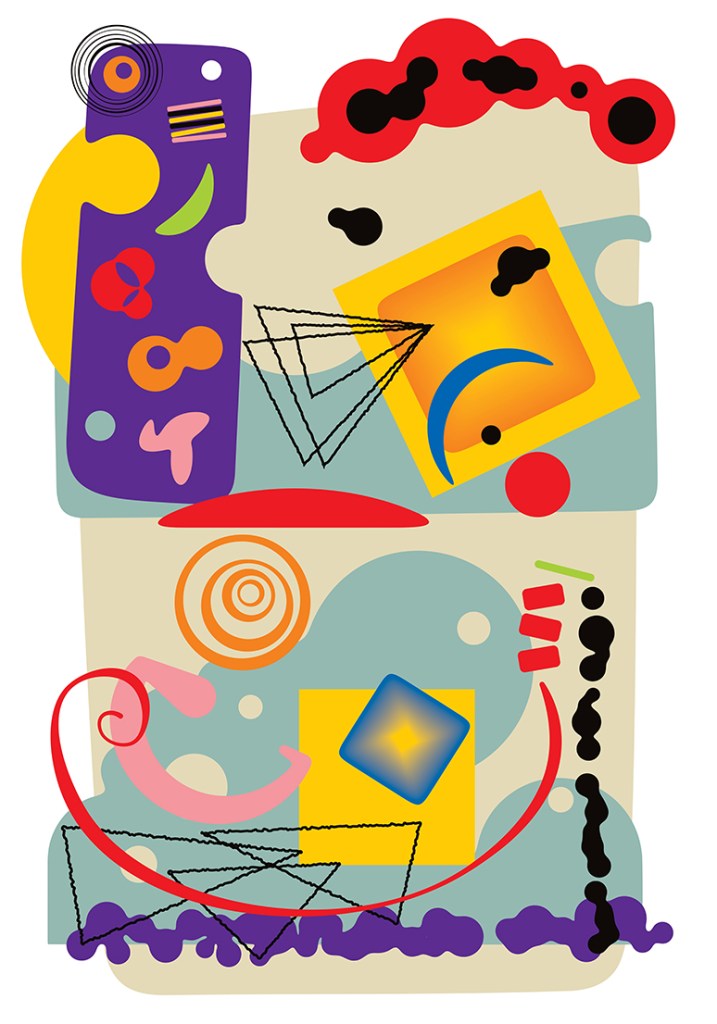
“The jazzy triangle and the square square drop into a news report…”
Phil Gomm
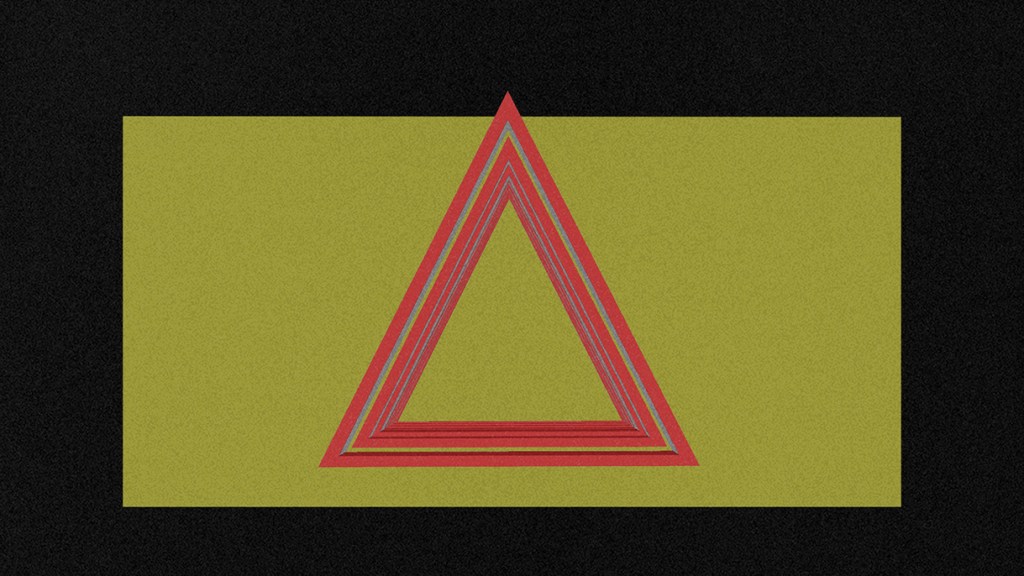
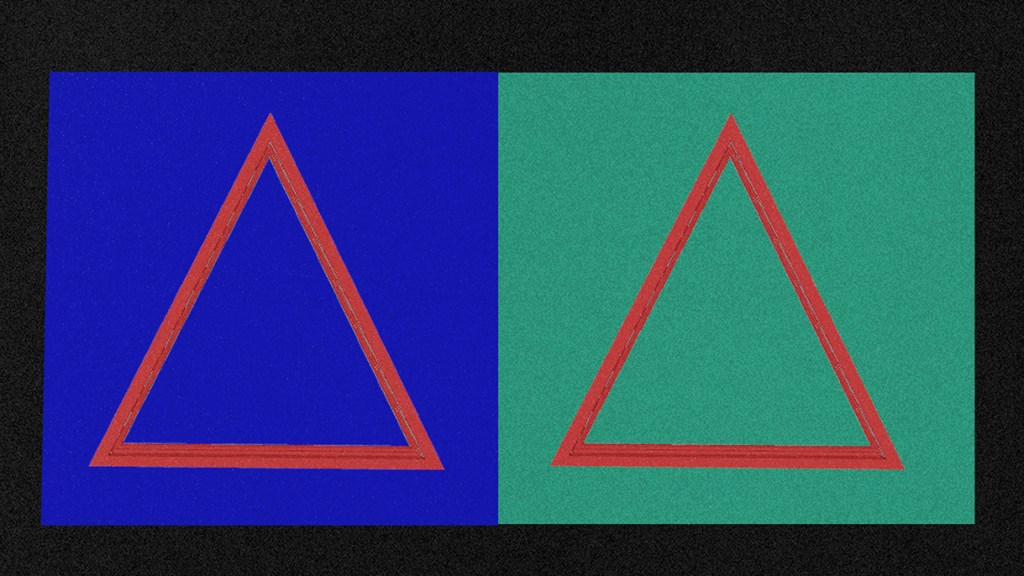
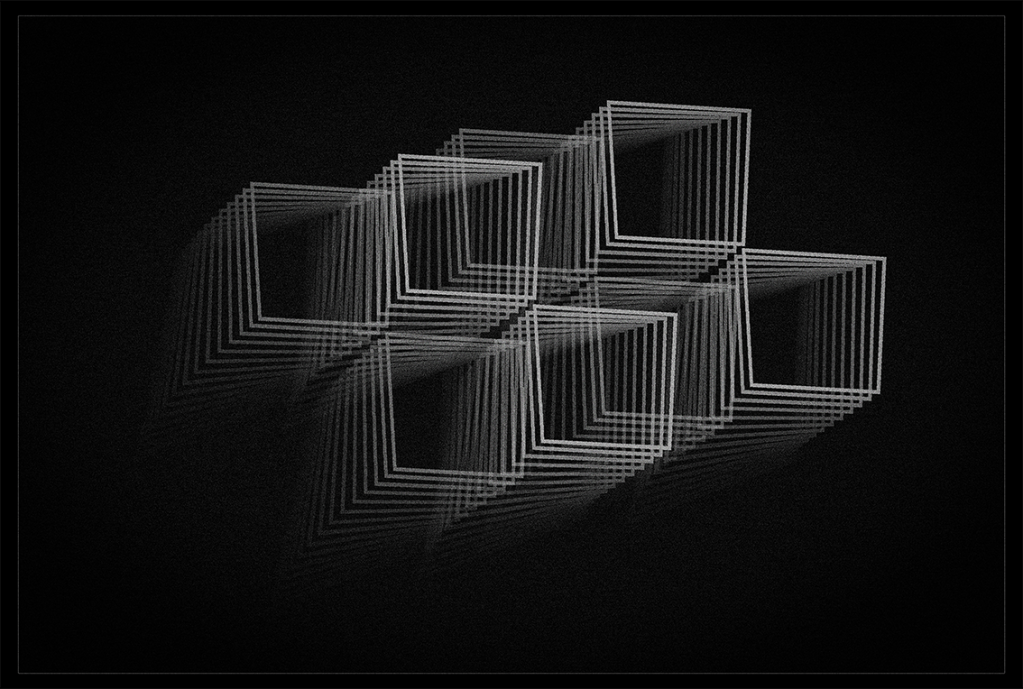
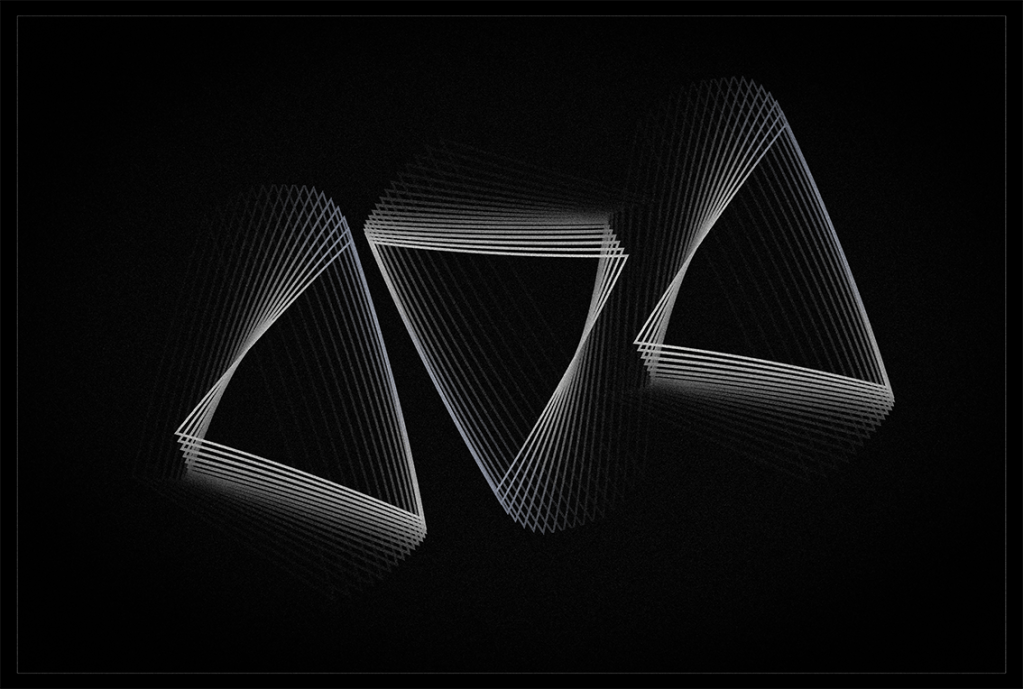
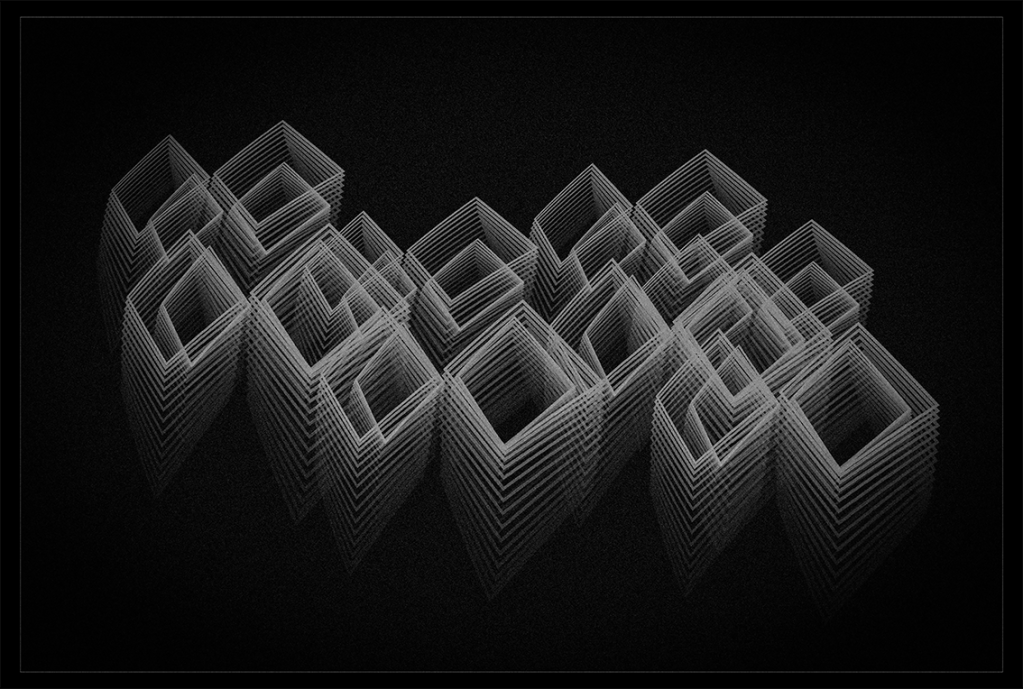
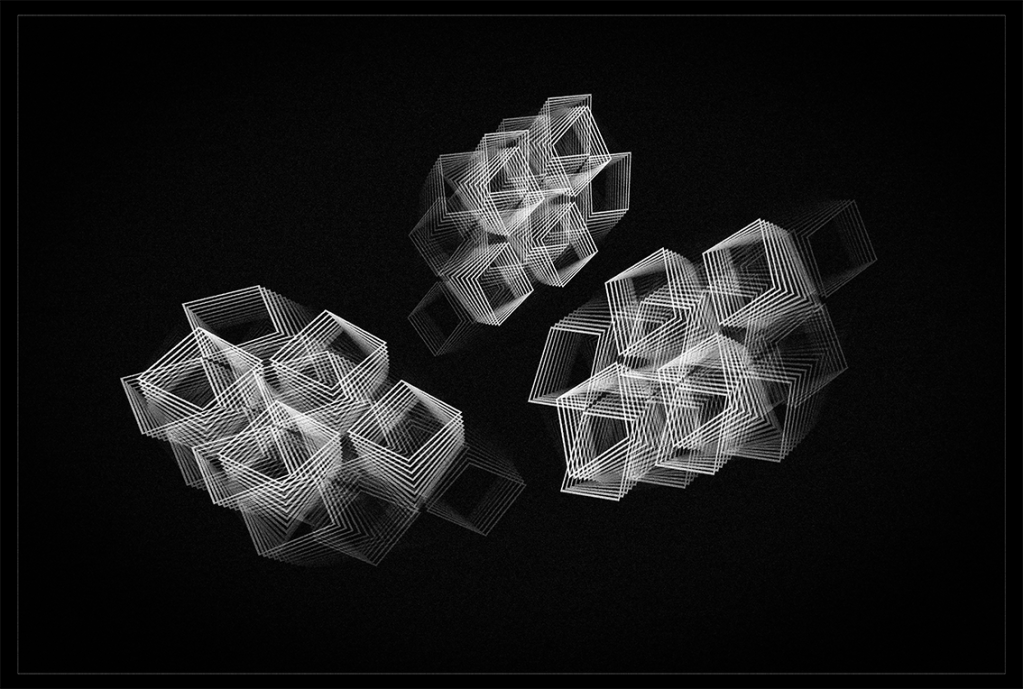
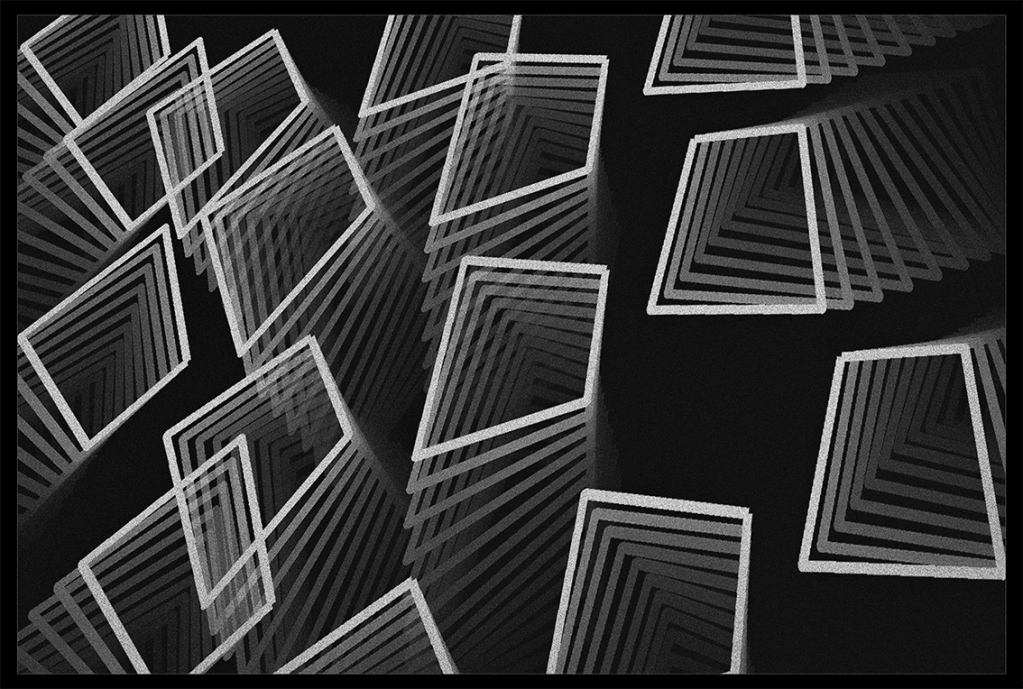
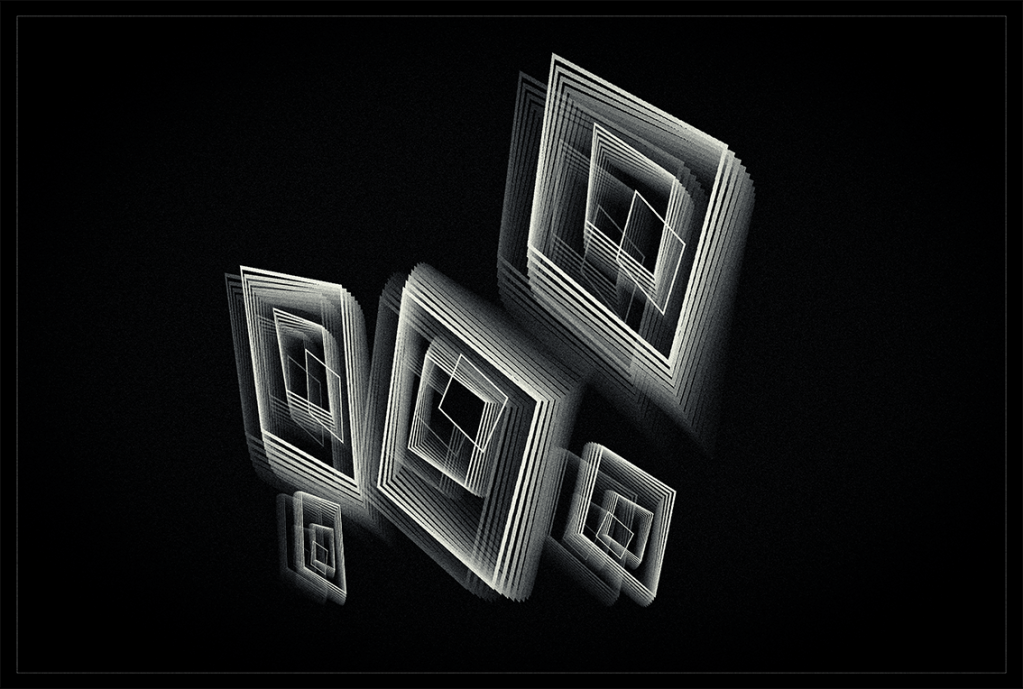
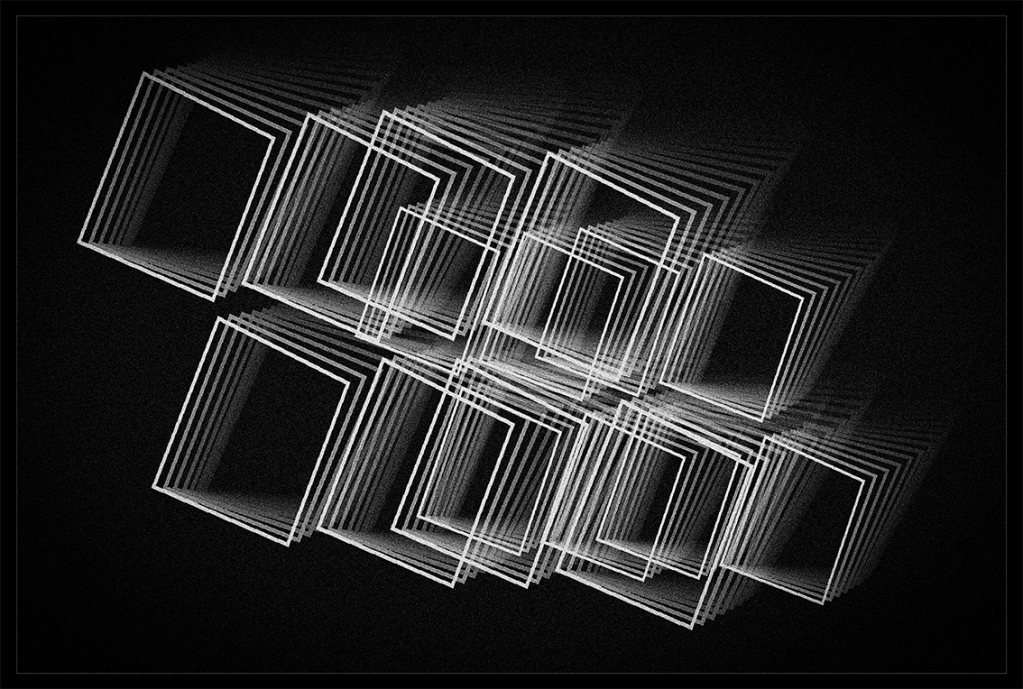
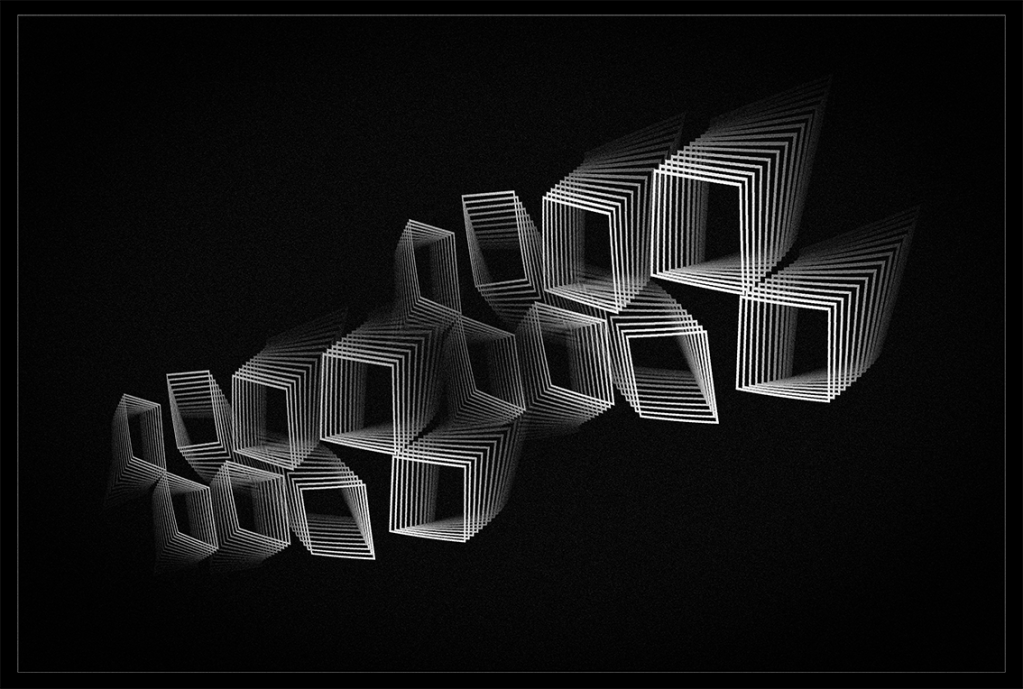
“I took my inspiration for these images from the lovely short film Pas de Deux by Norman McLaren, as it shares with Jazzy Triangle Meets a Square Square a stroboscopic technique in which an object leaves traces of its motion path.”
philgomm.com / behance.net/Phil_Gomm
Kerfe Roig
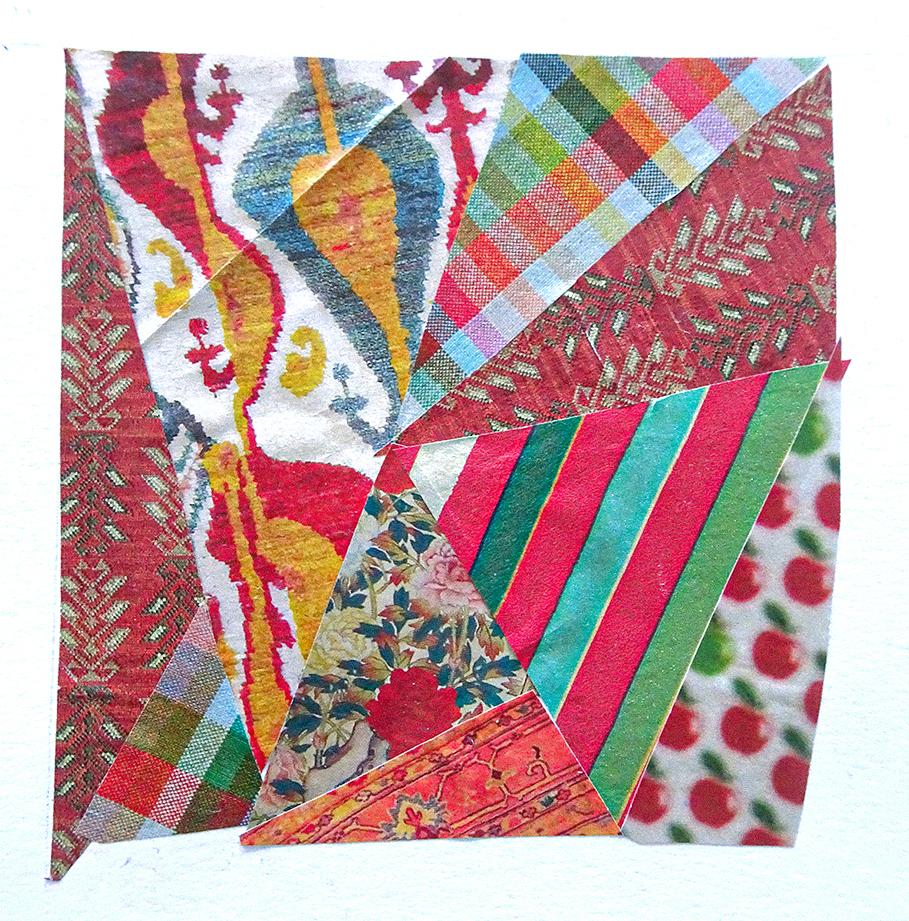
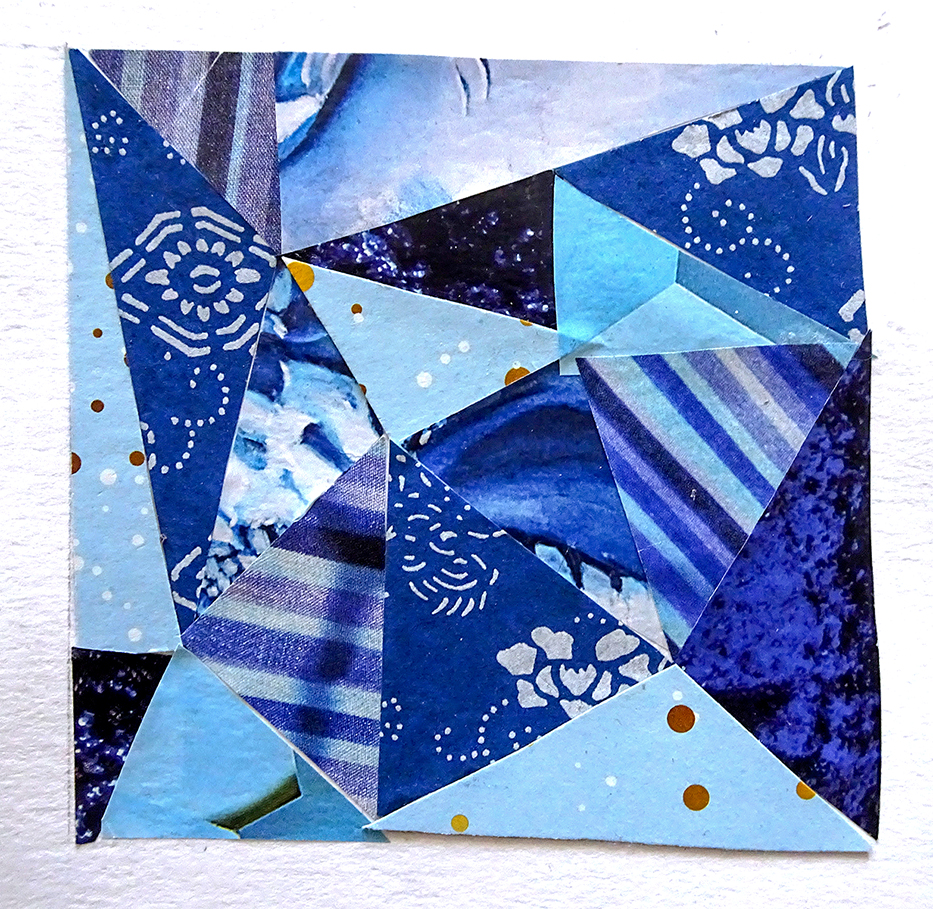
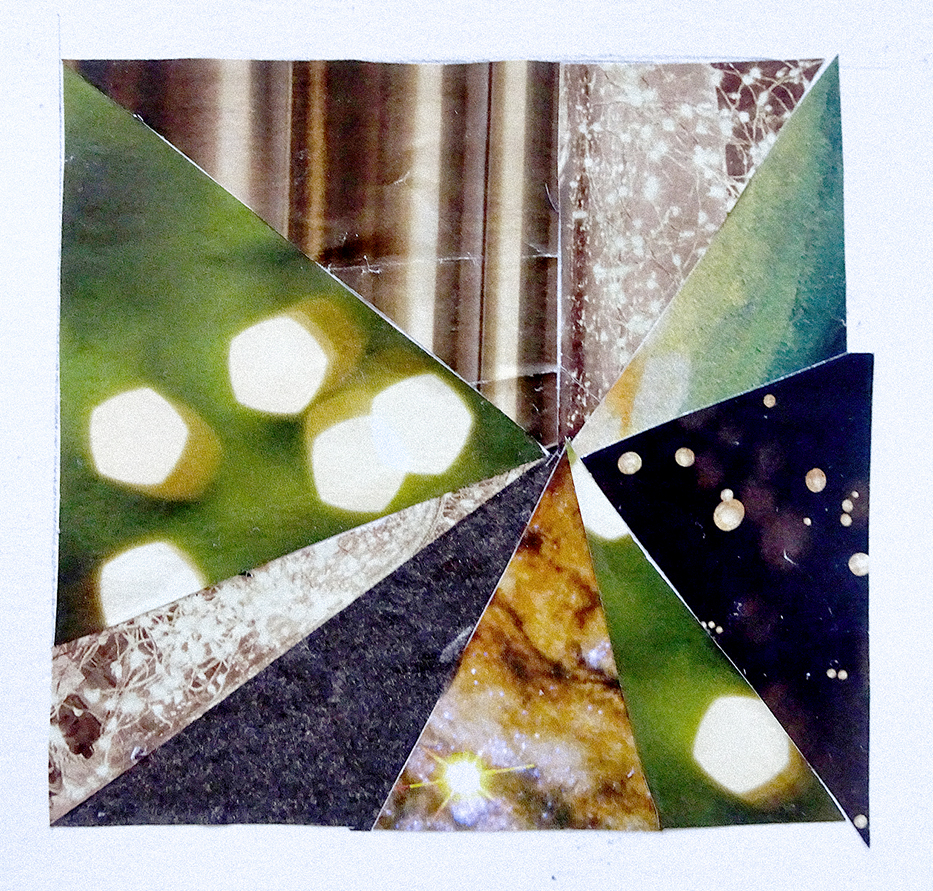
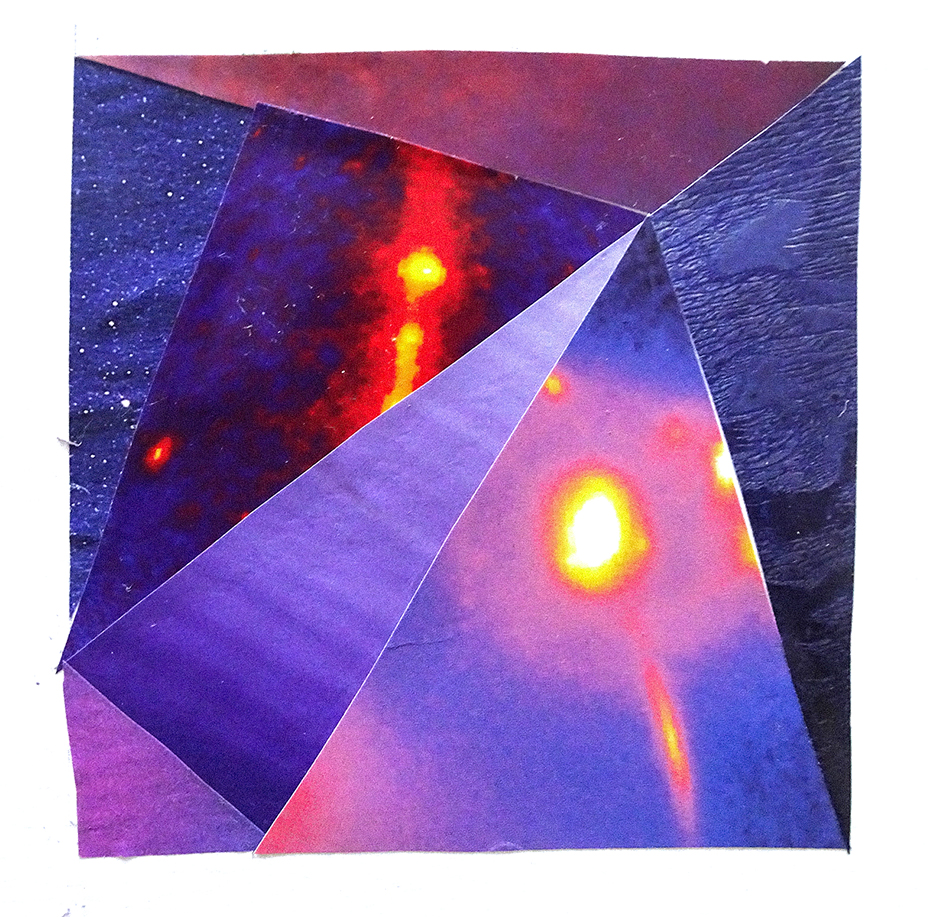
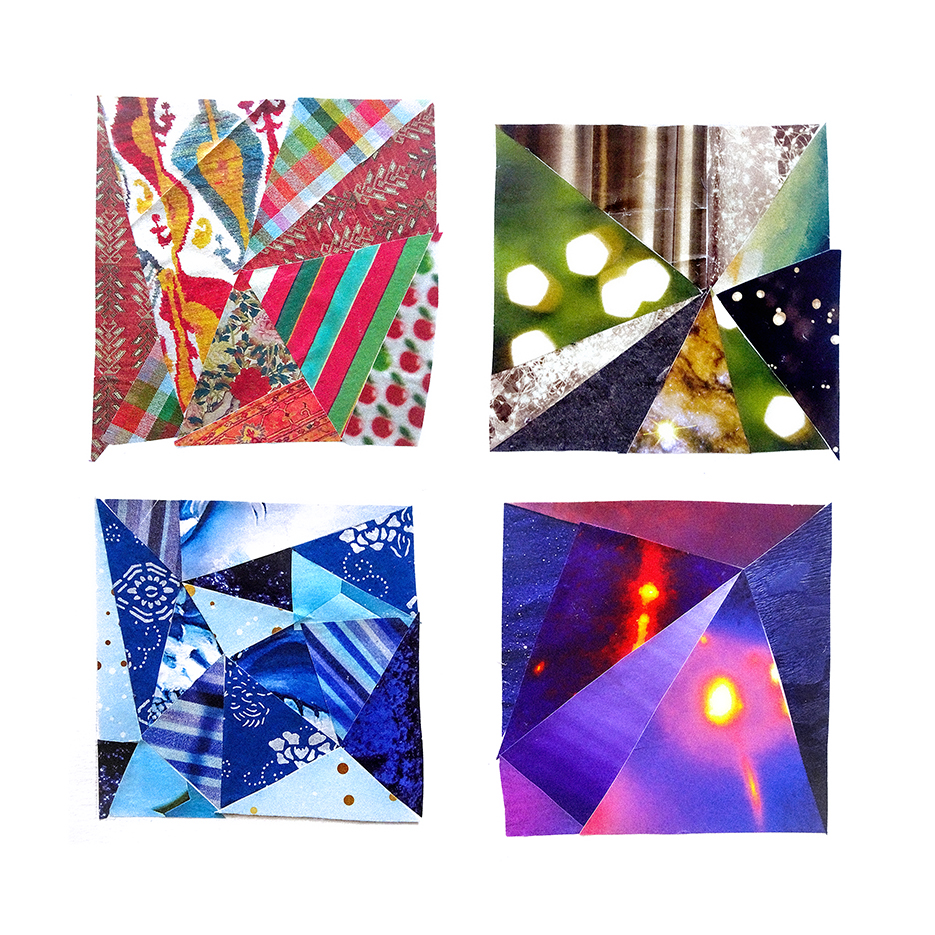
I divided a square into triangles and then used different patterns to make a squarish collage — my cutting is not exactly precise. Another exploration I could continue with, had I the time.
Charly Skilling
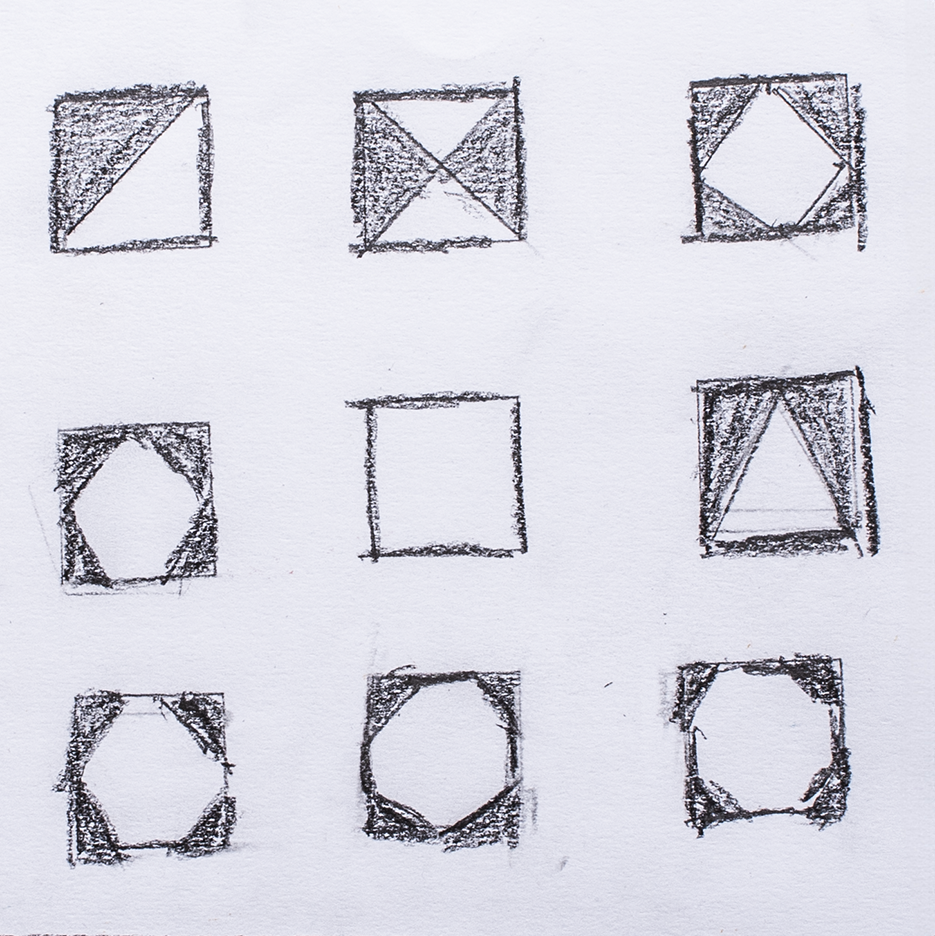
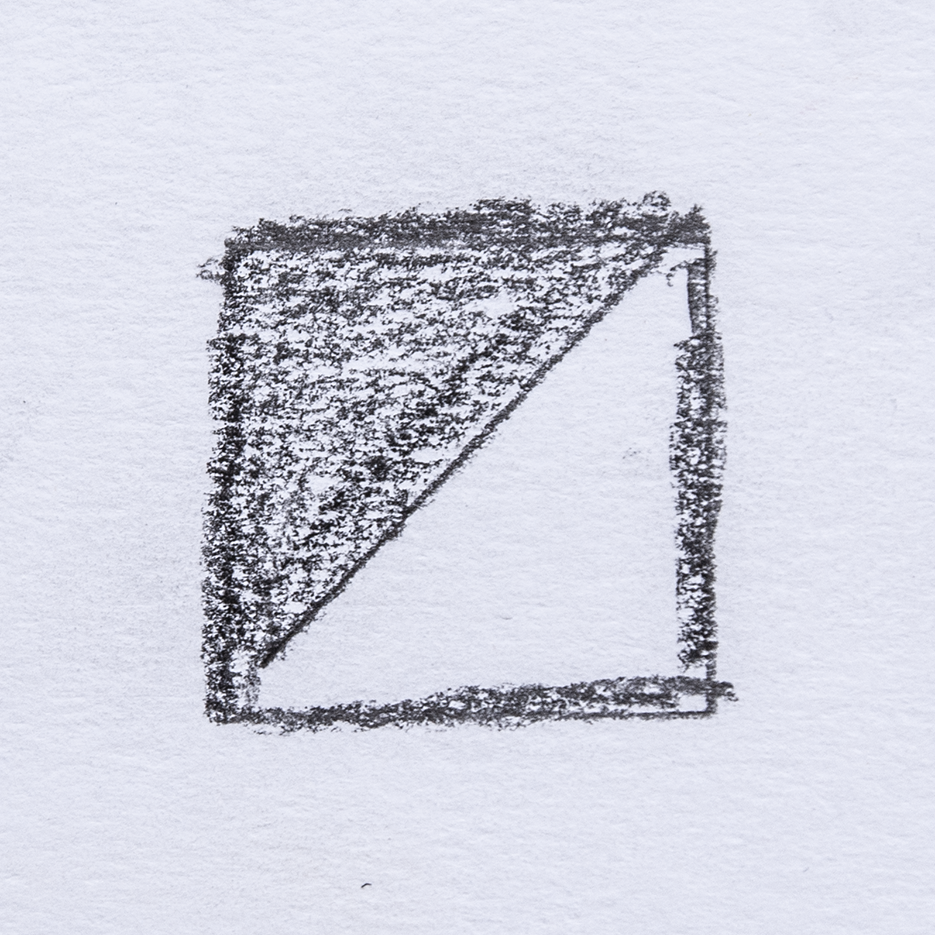
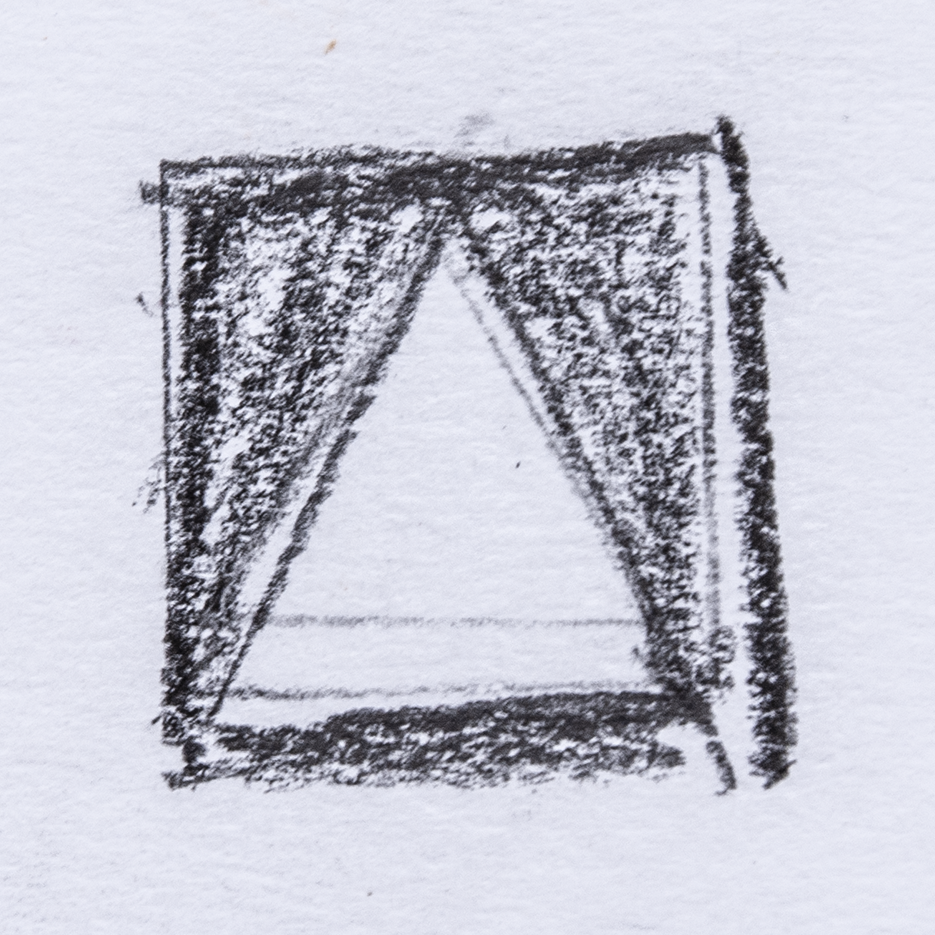
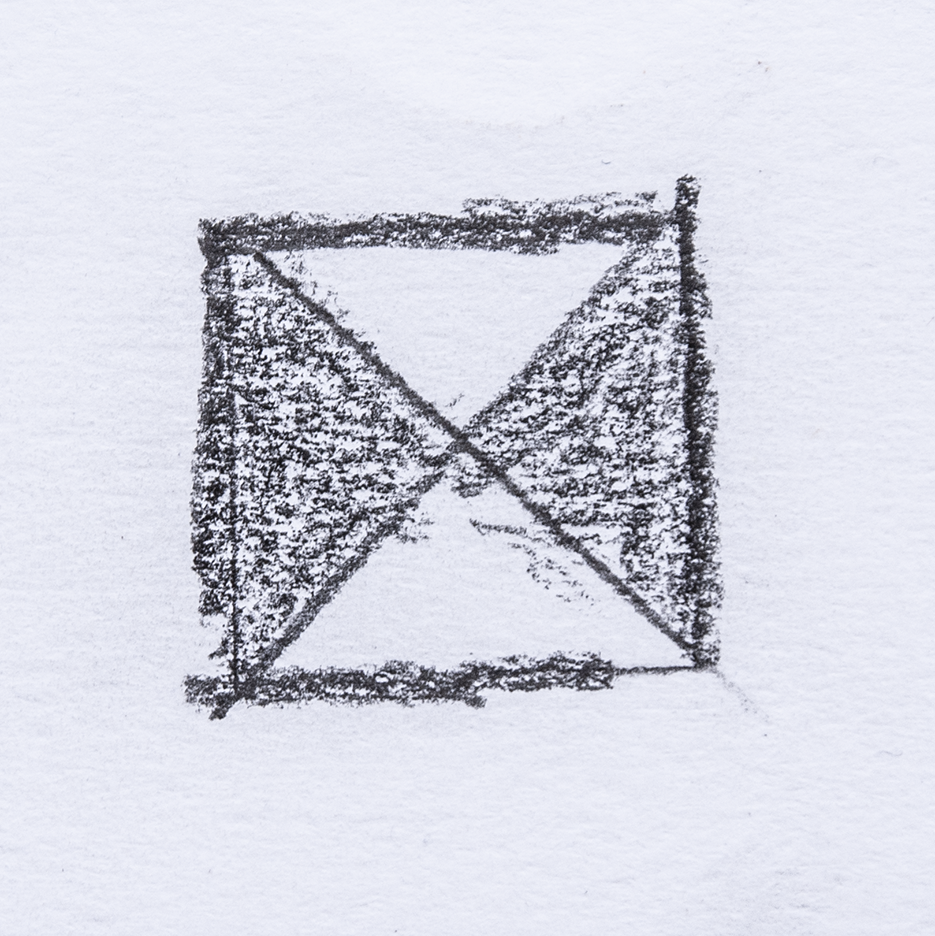
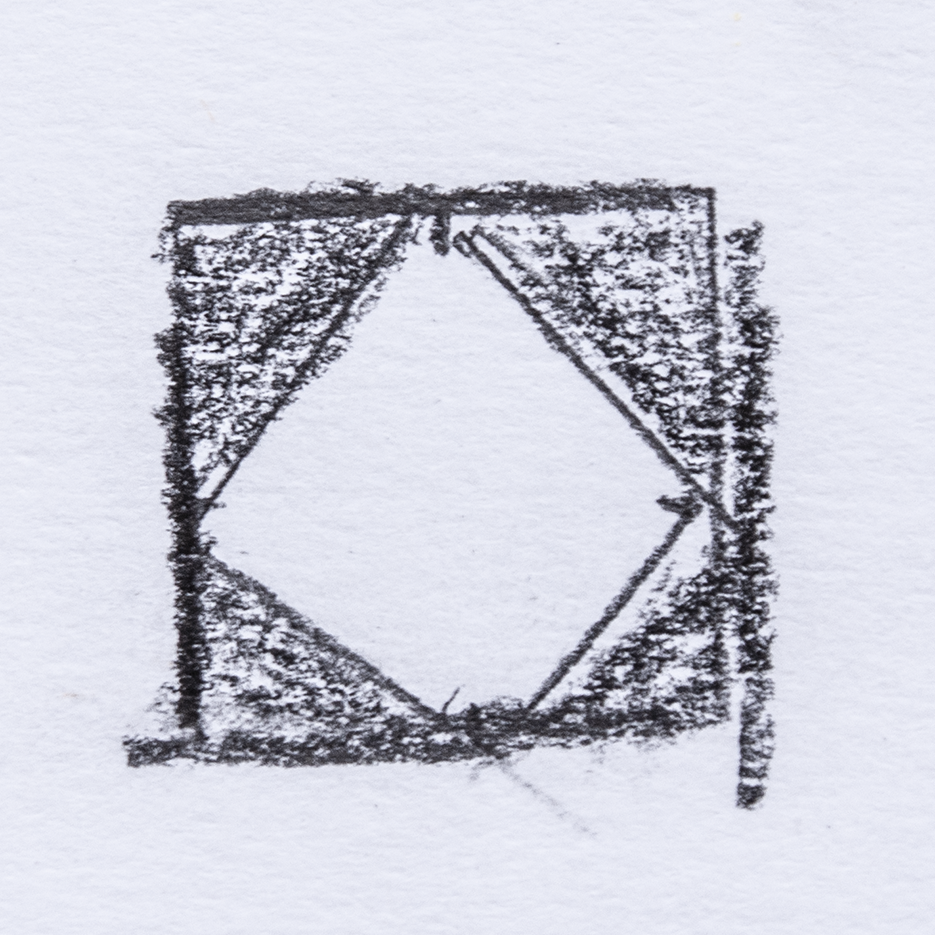
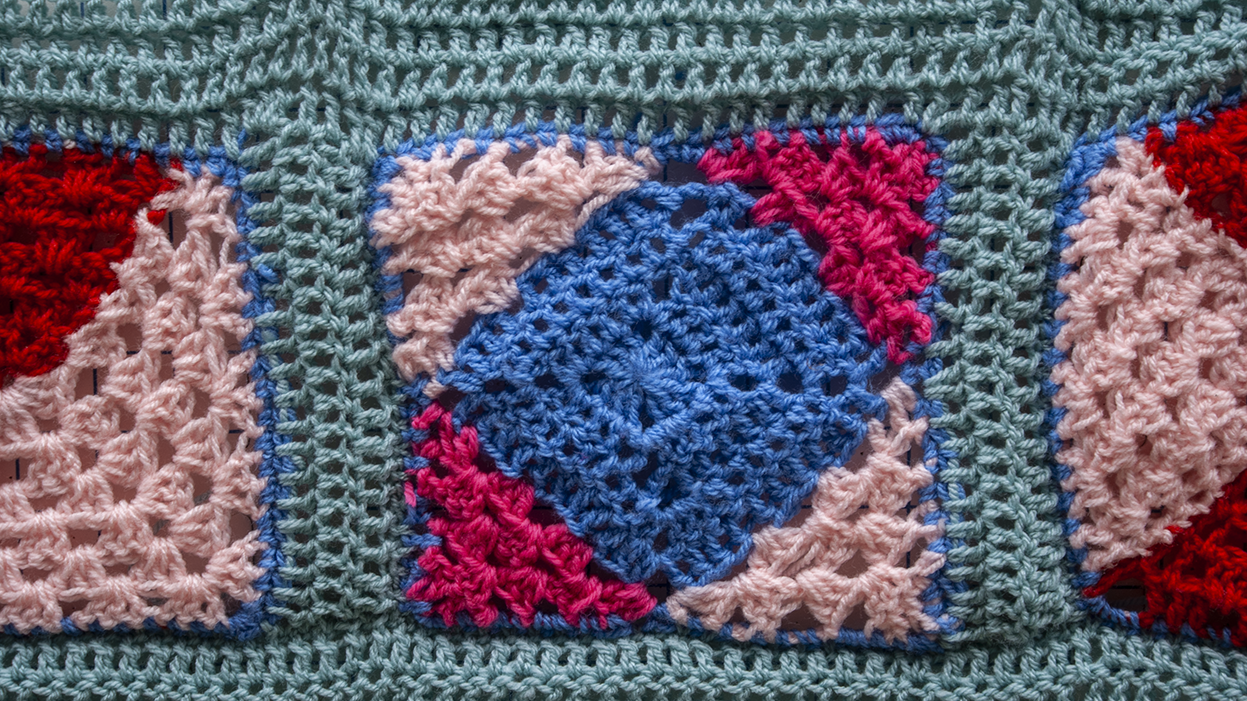
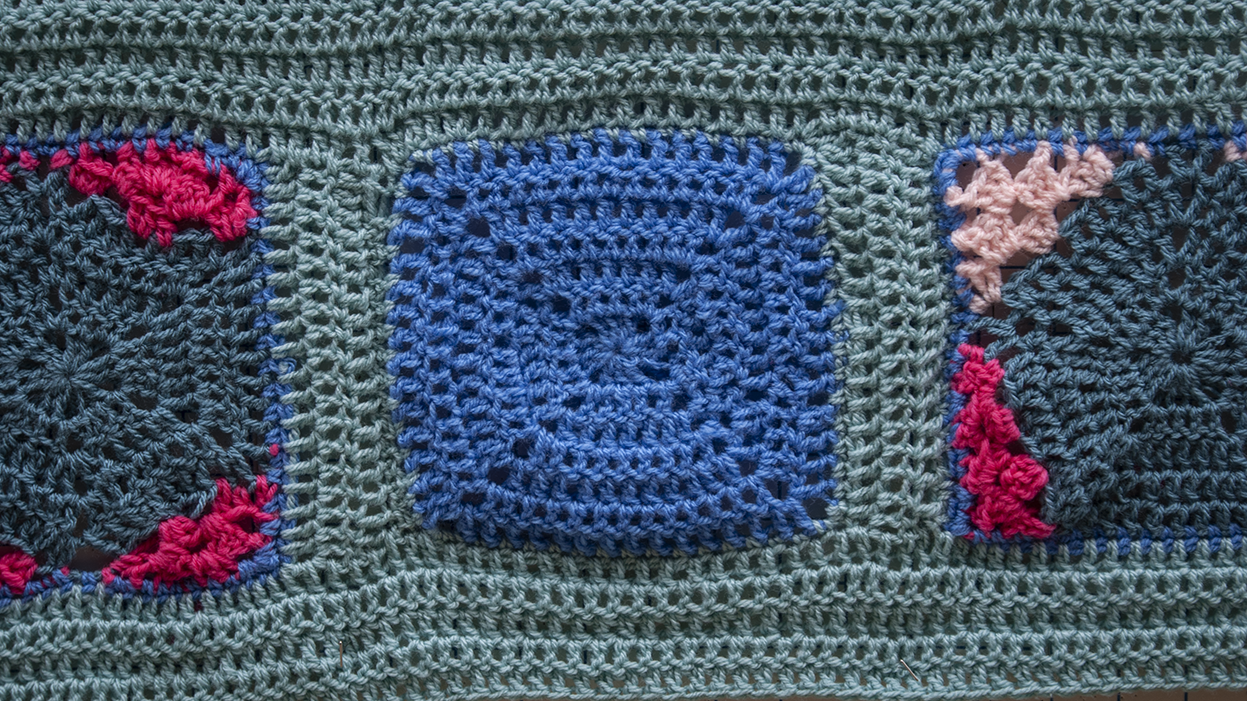
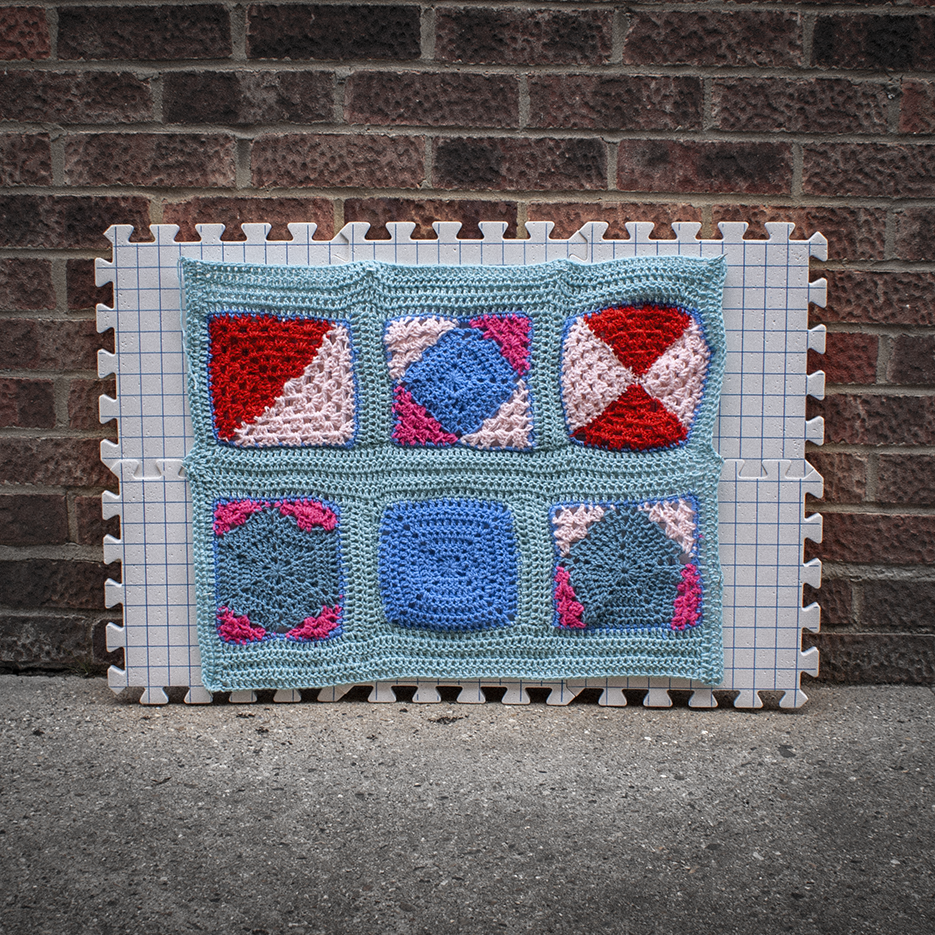
“When I started doodling about with squares and triangles, I had no real idea where I was heading. But I realised that, with a square as a starting point and a varying number of triangles, you could make all sorts of different shapes without changing the basic construction of either form. In traditional crochet, we use a lot of squares, triangles, hexagons, and octagons, though rarely in the same piece of work. So I thought I would try to create a 3 × 3 set of squares to illustrate this. I would use a different colour range for the triangles than for the other shapes, and a different stitch. And use up some old yarn scraps as well — hurrah!
Of course, I’d bitten off far more than I could chew in the time available. The yarn scraps produced a very iffy colour palette, the different crochet stitches made it difficult to match gauge and angles between the various shapes, and I discovered why traditional crochet does not use many pentagons, heptagons, or nonagons. They’re not impossible to crochet, but they are very fiddly and time-consuming.
But that’s KA, isn’t it? You try something different. You learn something new. You mull it over for future projects. And then — who knows?”
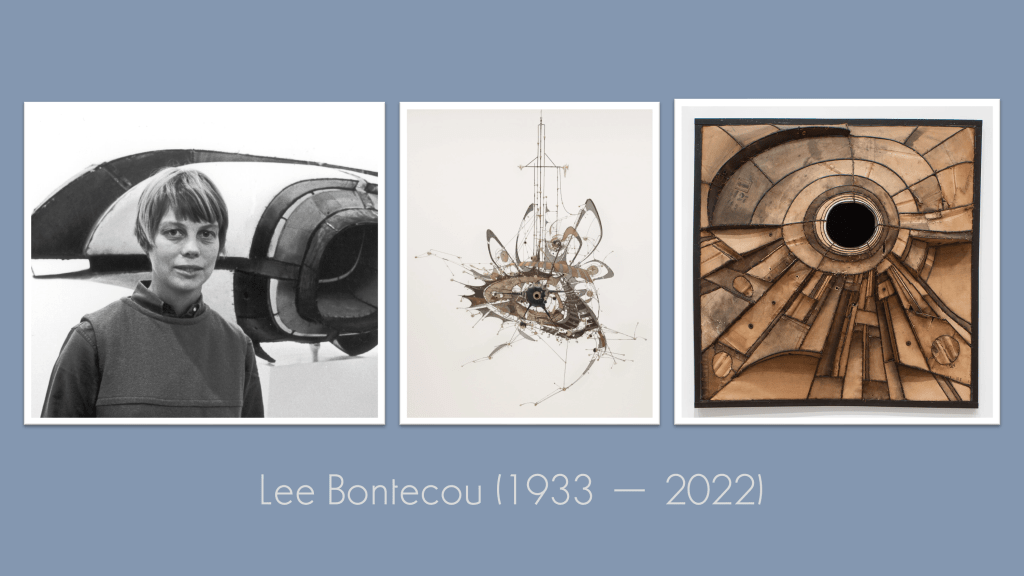
Next time, our prompt turns to the work of Lee Bontecou, where drawing, sculpture, and engineering combine in strange and compelling forms.



Leave a Reply